Kacey Musgraves is suprising Texans with three shows at Gruene Hall.
Photo by Arturo Holmes/Getty Images for Coachella
Kacey Musgraves may be spending most of her time in Nashville now, but the “girl from Golden” still has Texas in her heart. Now, she’s surprising her home state with three days of concerts at historic Gruene Hall, May 3-5.
The three days of sets come hot on the heels of the release of her seventh studio album, Middle of Nowhere. The singer-songwriter has been teasing the album since March, when she released the bawdy single “Dry Spell.”
Musgraves first entered the national spotlight as a contestant on the USA Network singing competition Nashville Star. A few years later, she began breaking out on the country charts for clever songs like “Biscuits” and “Merry Go Round,” influenced by the late John Prine.
Her 2018 album, Golden Hour, catapulted her career, earning her four Grammys, including Album of the Year. Since then, she has experimented with her sound — ditching the traditional songs of her earlier albums for forays into disco, psychedelica, and pop.
During the Gruene shows, Musgraves will be supported by The Mariachi Brothers (Antonio, Caleb, and Joshua Gámez-Cuéllar). The trio of McAllen teenagers became a national cause célèbre after being detained by ICE in February.
Tickets for the shows go on sale Tuesday, April 28, at 10 am for $65, plus fees. The Mariachi Brothers will perform each night at 7 pm, followed by Musgraves at 9 pm.
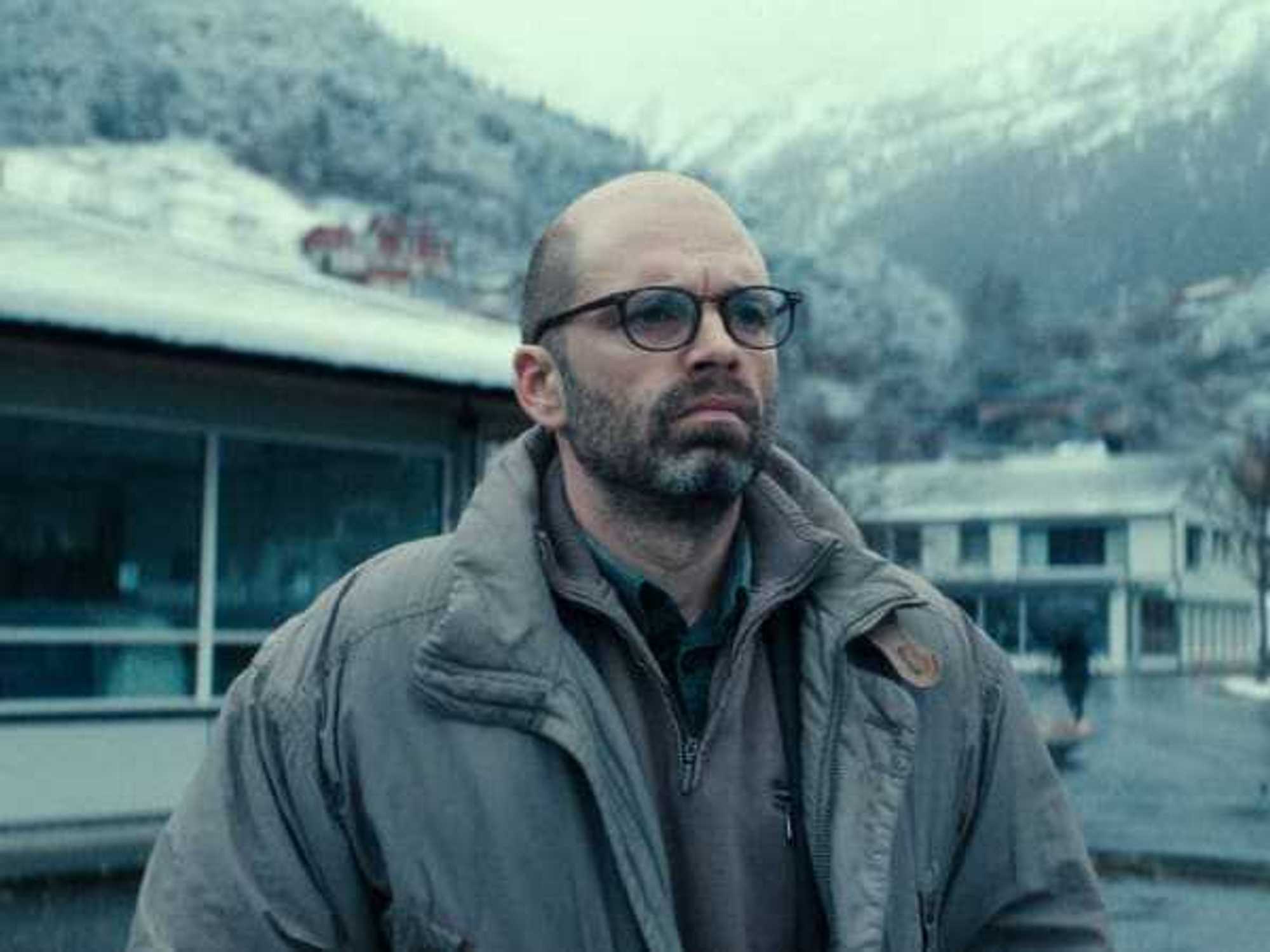
Sebastian Stan is Mihai, a father of five, in the Norway-set film Fjord.
In modern society, where fear of “the other” has made many people into insular creatures, it has become easy to get locked into one point of view. The new film Fjord will be a challenging one for many viewers, as it puts forth a situation that confronts narrow-minded thinking and forces even those who think they’re open-minded to re-evaluate their own biases.
Mihai (Sebastian Stan) and Lisbet (Renate Reinsve) are a married couple who have just moved back to Lisbet’s home country of Norway. They have five children, all of whom were born in Romania, Mihai’s home country. The family, which is part of an unspecified Evangelical Christian sect, runs into issues almost right away when their oldest daughter, Elia (Vanessa Ceban), shows up to school with bruises on her body.
A well-intentioned but perhaps overzealous Child Protective Services system gets put into motion, resulting in the children being removed from the home while Mihai and Lisbet are being investigated. The parents, while acknowledging some minor physical punishment, deny doing anything that would cause bruising, and the possible failings of the system mostly get ignored despite a lack of hard evidence.
Written and directed by Cristian Mungiu, the film is an infuriating watch due to its depiction of a system that seems to be oblivious to its own faults. But it’s also illuminating, as the cultural and linguistic divide that exists between the characters in the film could just as easily be applied to those viewing it. Misunderstandings arise as people switch between Norwegian, English, and Romanian, and interpretations of different words or phrases play a crucial role in how people and actions are perceived.
But the film is about much more than just language mix-ups. Mungiu is purposefully vague about Mihai and Lisbet’s religion, but it’s clear that it leans conservative. This puts them at odds with a liberal society in Norway, and more than one character voices their disapproval of the family’s beliefs. The film is framed in such a way, though, that it’s those who are seemingly most progressive who can’t get over their own prejudices, with Mihai and Lisbet rarely being able to object to how they’re being treated.
The cold and forbidding landscape adds to the drama of the film, especially when Mungiu includes side stories from Mihai and Lisbet’s neighbors about, for example, a rebellious neighbor daughter or their ailing father. While those elements don’t impact the plot much, they add complexity to the film as a whole and demonstrate that some characters are more than who they seem to be on the surface.
Stan, who’s had notable roles in recent years in A Different Man and The Apprentice, puts in another solid performance that is less showy. With a bald head and stoic-but-firm demeanor, he brings depth to a potentially unlikable character. Reinsve, coming off the success of Backrooms, is the emotional center of the film and demonstrates chemistry with Stan after co-starring in A Different Man. The supporting cast is all solid, especially the actors portraying lawyers, who bring to life a system that seems much different from that in the U.S.
Fjord does not play out like a typical American film would if it were depicting a similar situation, and by holding back where western storytellers wouldn’t, it allows viewers to make up their own minds on who is right or wrong. Many things go unspoken in the film, and the debate on what should happen with Mihai, Lisbet, and their family continues even after the film ends.