BIG MOVES
Beloved Helotes bakery swaps snug storefront for new home
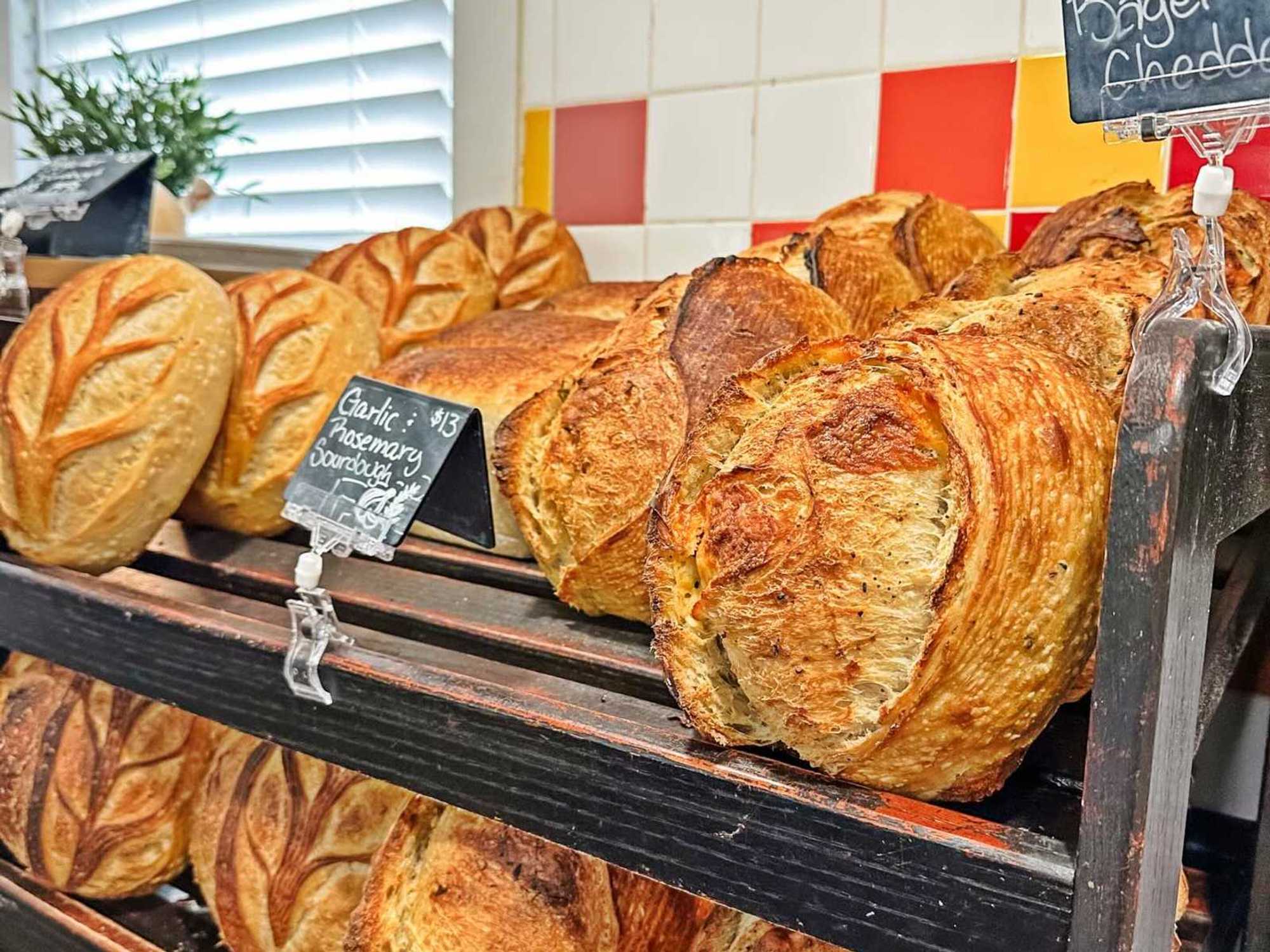
Spread the Loaves is known for its artful sourdough.
One of the San Antonio area’s most lauded breadmakers is proofing a new bakery. Helotes’ Spread the Loaves is trading its snug storefront for a bigger space in The Shops at Old Town Helotes, 14743 Old Bandera Rd. The original location’s last day is May 30.
“Hope you’re planning to come see us this week, because it’s the last week in our tiny little building,” wrote the bakery on Facebook. “We will be closed all next week to finish getting the new building ready and make the move.”
Spread the Loaves said it doesn’t have an exact date for the reopening, which is still pending permits, but says it is shooting for June 11. Still, the business won’t have to lug its equipment across town — the new shop is located directly behind the original bakery.
Owner Sophie Jeffery started baking as a 2020 New Year’s resolution, getting plenty of practice during the height of COVID-19 lockdowns. She started making larger batches in 2021 to help friends and neighbors recovering from Winter Storm Uri.
More pop-ups followed, and Jeffery took the leap to brick-and-mortar in early 2024. Since then, social media buzz has made her profile rise. In 2025, CultureMap nominated her for the San Antonio Tastemaker Award for Pastry Chef of the Year.
Justin Sparkman, whose background includes culinary education and food and beverage consultation joined Spread the Loaves in 2024 after a two-year battle with Crohn's Disease.
Each week, Spread the Loaves bakes up various sweets, including sugar cookies, brioche cinnamon rolls, and toaster pastries. But she is most known for her breads. Sourdough focaccia and loaves are served daily, joined by milk bread, baguettes, challah, and pretzels at the end of the week.
Locals who can hardly wait for their carb fix can follow the bakery on social media for updates on the reopening date. Megafans can even help move the heavier equipment, according to the post. We’re sure Jeffrey will have a few treats to share for their trouble.