RENTAL REPORT
San Antonio renters cash in on highest apartment vacancy rate in U.S.
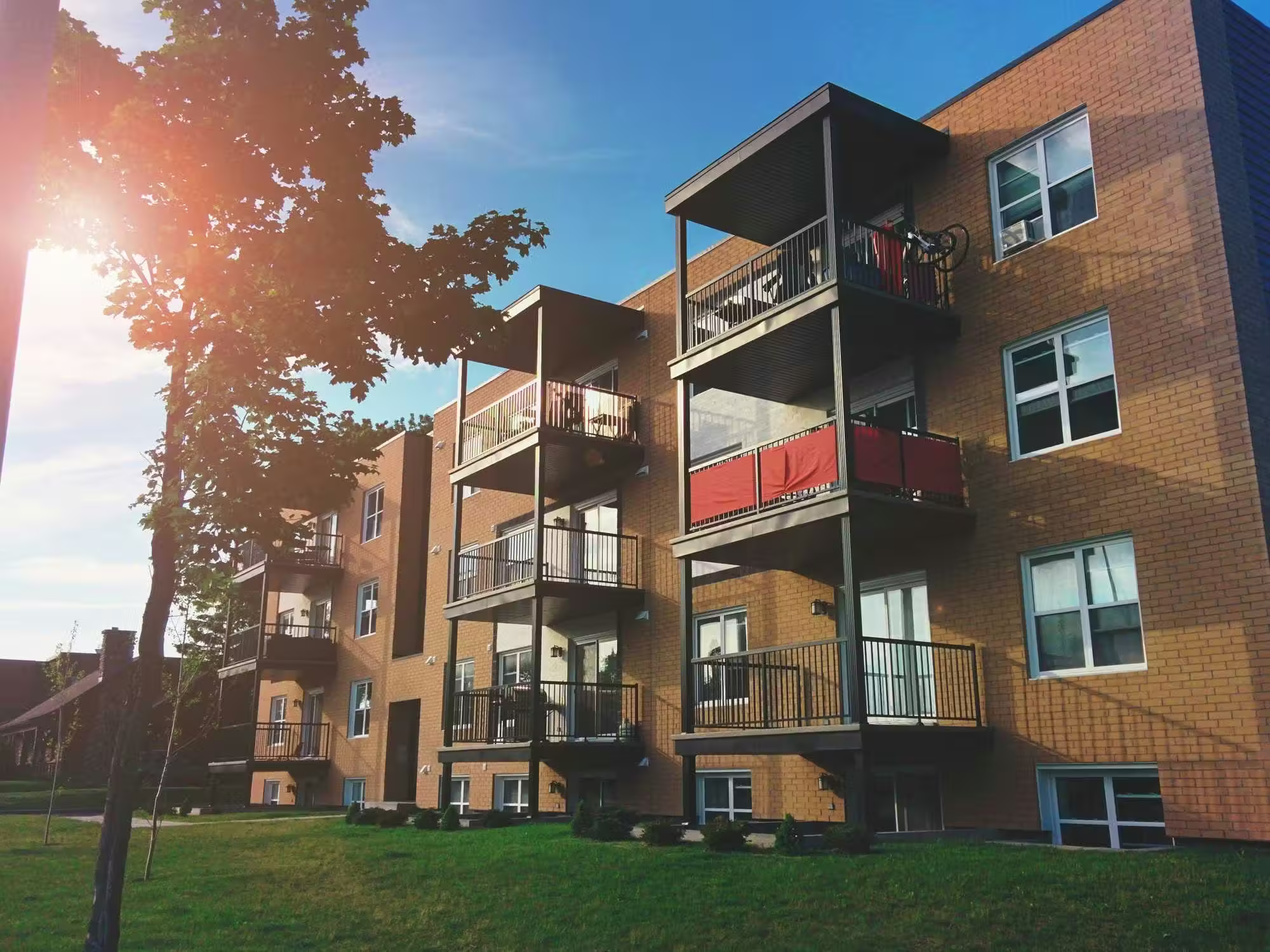
The high vacancy rate may contribute to savings.
In San Antonio, the apartment industry’s loss is a renter’s gain.
Research conducted by Danny Khalil, associate director of market analytics at real estate data firm CoStar, puts San Antonio in the No. 1 spot for apartment vacancies among the 50 biggest apartment markets in the U.S.
For renters, that’s a good thing. A high vacancy typically prompts more landlords to offer financial incentives such as free rent for a certain period, lower security deposits, or waived fees.
CoStar data shows the San Antonio apartment market had a 15.7 percent vacancy rate in the first three months of 2026. Behind San Antonio were Memphis, Tennessee (15.6%); Austin (14 percent); Houston (12.7 percent); and Dallas-Fort Worth, Charlotte, North Carolina, and Phoenix (tied at 12.4 percent).
The market with the lowest vacancy rate? New York City (3.1 percent).
“While nearby Austin held the title for several quarters thanks to a wave of development in the early 2020s, San Antonio experienced a similar dynamic during that period,” Khalil explains. “After rising for three and a half years, Austin’s vacancy rate finally began to decline in early 2025. Meanwhile, vacancies in San Antonio kept rising, eventually surpassing Memphis and all other major multifamily markets in the United States this year.”
According to RealPage Market Analytics, which tracks rental data, San Antonio ranked third among major U.S. markets for the most apartment landlords offering financial incentives (formally known as concessions) in January. That month, 31.6 percent of apartment landlords offered concessions in the San Antonio area, and rent discounts averaged 11.6 percent.
Austin held the No. 1 spot on the RealPage concession list (at 33.5 percent), with Houston in eighth place (23.5 percent), and Dallas in ninth place (23.4 percent). Fort Worth dropped out of the top 10.
Meanwhile, the typical monthly asking price, or pre-incentive price, for rent in the 50 largest metro areas hit a four-year low in February, according to Realtor.com. That month, the typical asking price in San Antonio was 12.6 percent below its pandemic peak, settling at $1,188 per month. That drop put San Antonio in 11th place among major metros.
Austin topped the Realtor.com list, with an 18.2 percent plunge in the monthly asking price compared with its pandemic peak. In February, Austin’s typical asking rent stood at $1,357 per month. Dallas-Fort Worth claimed the No. 15 spot, with a 10.1 percent decline from the pandemic peak, landing at $1,408 per month. Houston sat at the back of the Texas pack, notching a 6.3 percent decrease from the pandemic peak and leaving it with a typical monthly rent of $1,344.
San Antonio renters might not enjoy that level of financial relief for much longer. CoStar predicts the region’s apartment vacancy rate will fall to 15.1 percent this year, 14.4 percent in 2027, and 13.7 percent in 2028. CoStar anticipates a similar slide in Austin, Houston, and Dallas-Fort Worth.