Iconic singer Gladys Knight, the "Empress of Soul," is heading out to some intimate Texas venues on a 2026 tour. She'll stop by the H-E-B Performance Hall at San Antonio’s Tobin Center on Monday, March 2, 2026.
In Austin, she’ll also visit the historic Paramount Theatre on Sunday, March 1, 2026. Knight's Ticketmaster calendar also shows dates in Houston on February 20, Fort Worth on February 22, and El Paso on March 5, but the San Antonio and Austin tickets will be sold on different platforms.
Knight was first known for performing with her family band, Gladys Knight & the Pips, and later broke into a solo career. With the Pips, she led the famous songs "Midnight Train to Georgia" and "I Heard It Through the Grapevine," opened for Diana Ross and the Supremes, and won three Grammy Awards.
In her solo career, she won four more Grammys, including one for No. 1 Billboard Hot 100 hit "That's What Friends Are For" with Dionne Warwick, Elton John, and Stevie Wonder. Beyond music, she acted in both film and TV over more than four decades, appearing in Coming 2 America, Lee Daniels' The Butler, the short-lived Flip Wilson sitcom Charlie & Co.
The busy 81-year-old even appeared as The Bee on Fox singing competition The Masked Singer, where she inexplicably placed third. But she has largely stayed away from recording. Her last studio album, Where My Heart Belongs, was released in 2014.
Tickets for the San Antonio show go on sale Friday, December 19, at 10 am via tobincenter.org. Prices start at $88.50.
There are few more harrowing types of movies than those that pit man versus nature. Films like The Revenant, Cast Away, and 127 Hours do a fantastic job of demonstrating just how difficult it is to survive the elements, as well as the ingenuity of people when put into extreme situations. Brad Pitt takes on that challenge in Heart of the Beast, with the good fortune of having a loyal dog by his side.
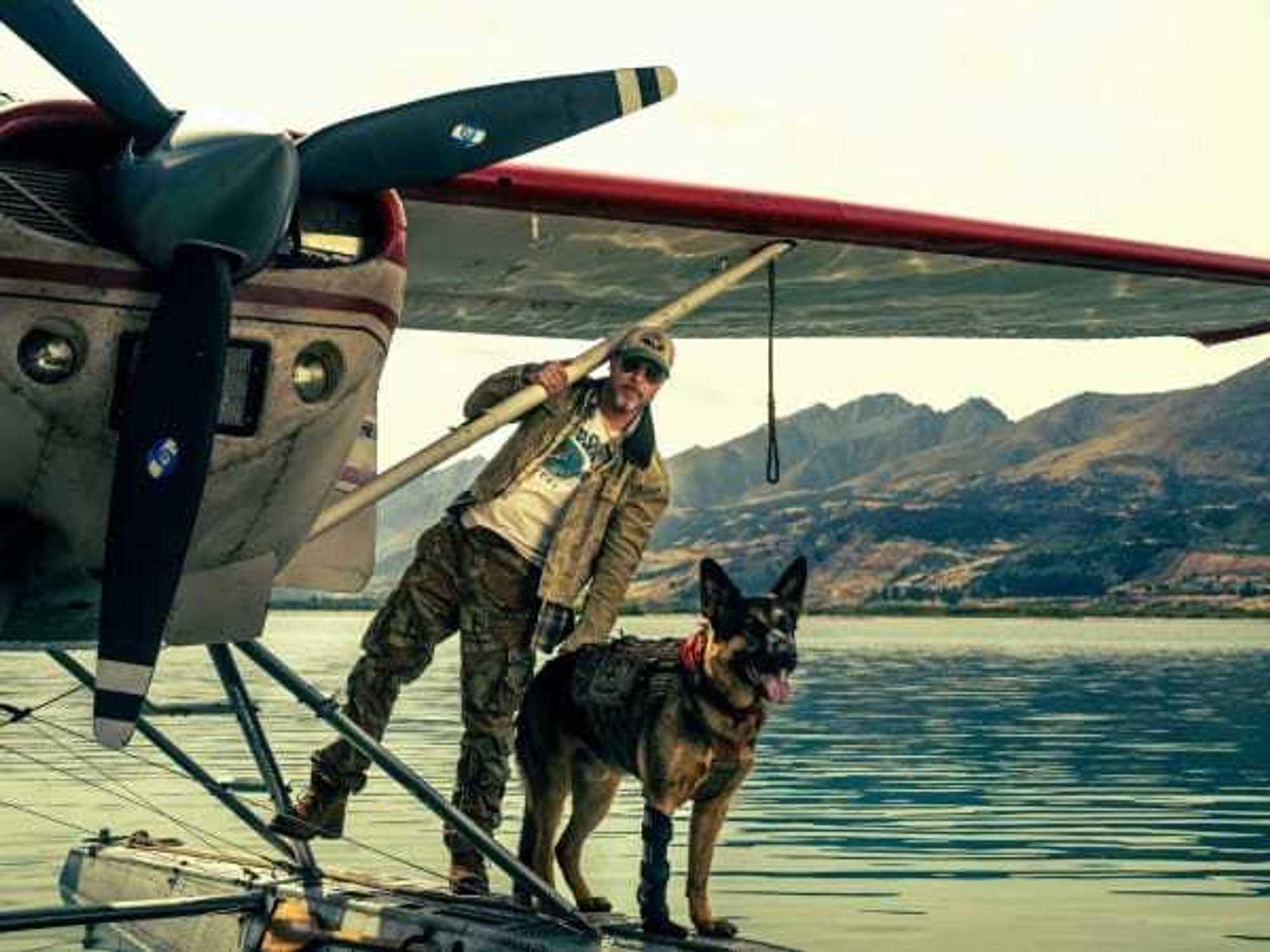
James Belmont (Pitt) is a former Green Beret now traveling through the Alaskan wilderness by flying his float plane from lake to lake. He’s joined by his German Shepard, Odin, a former Military Working Dog who saw more than his fair share of action, with the scars and prosthetic leg to prove it. Both James and Odin have PTSD, but their tight companionship helps each other get through the nightmares.
When an accident strands them miles from the nearest road, James and Odin have to rely on each other more than ever. With dwindling supplies and increasing injuries they collect along the way, the duo have to contend with bad weather, predators who seem to come out of nowhere, the daunting landscape, and their own personal history that both haunts them and pushes them forward.
Directed by David Ayer and written by first-time feature writer Cameron Alexander, the film (which was actually filmed in New Zealand) earns its stripes by actually putting its actors out in nature. Although there are likely some scenes manipulated through CGI, it’s plain to see that Pitt and the dog are walking, climbing, and swimming through the various obstacles that lie in their way, which makes all the difference in the verisimilitude of the story.
Ayer and Alexander put their characters through the wringer, using a series of animal encounters, health episodes, bad luck, and the inciting accident to test their mettle. The filmmakers do a good job of lightening the mood every now and again, though, whether it’s with heartfelt scenes between James and Odin or a brief cameo by J.K. Simmons as a fellow outdoorsman who’s passing through the same area.
The effectiveness of the difficulty of the journey makes it all the more disappointing that Ayer undercuts the emotional climax of the film in the opening scene. Like too many TV shows and some movies, it depicts a sequence that comes toward the end of the story and then flashes back to the beginning. In doing so, it shows that either Ayer or the studio didn’t trust the audience to be okay with the ups and downs of the story and go along for the ride.
Pitt is the kind of star who can hold the screen by himself, so he has no problem maintaining the audience’s interest for the entire 100-minute running time. He doesn’t need the help, but Uber (the dog that plays Odin) proves to be the heart of the film, living up to the title. It’s weird that Simmons only shows up for five minutes, but he makes an impact anyway, as does Anna Lambe in a small but crucial role.
Heart of the Beast is not quite as compelling as the previously mentioned man versus nature movies, but the central relationship between James and Odin, as well as their shared military history, makes the film watchable throughout. If only Ayer — whose recent experience making schlocky Jason Statham movies may have dulled his senses — knew not to spoil his own movie.