Spring forward into St. Patrick's Day weekend with must-attend happenings that will make your friends green with envy. Unwind from hectic days at a free outdoor yoga class at Pearl or enjoy a charming day in the park at Fest of Tails. Check out the top seven things to do in San Antonio this weekend. For a complete list of events, click over to our calendar.
Thursday, March 12
Yoga Under the Stars at Pearl
Stretch and unwind with an outdoor evening yoga class at Pearl hosted by Nomadik Yoga. Expert instructors will guide an all-levels class in the nighttime atmosphere of Pearl’s open square. Guests are encouraged to bring their own mats and water bottles for the best class experience. Admission is free and open to the public.
Friday, March 13
Tobin Center presents The Naked Magicians
Australian illusionists host the raunchiest and funniest magic show at the Tobin Center for the Performing Arts. Audiences to this adults-only evening will enjoy world-class magic without the capes and top hats and all of the wonder remaining. Tickets for both shows are available now.
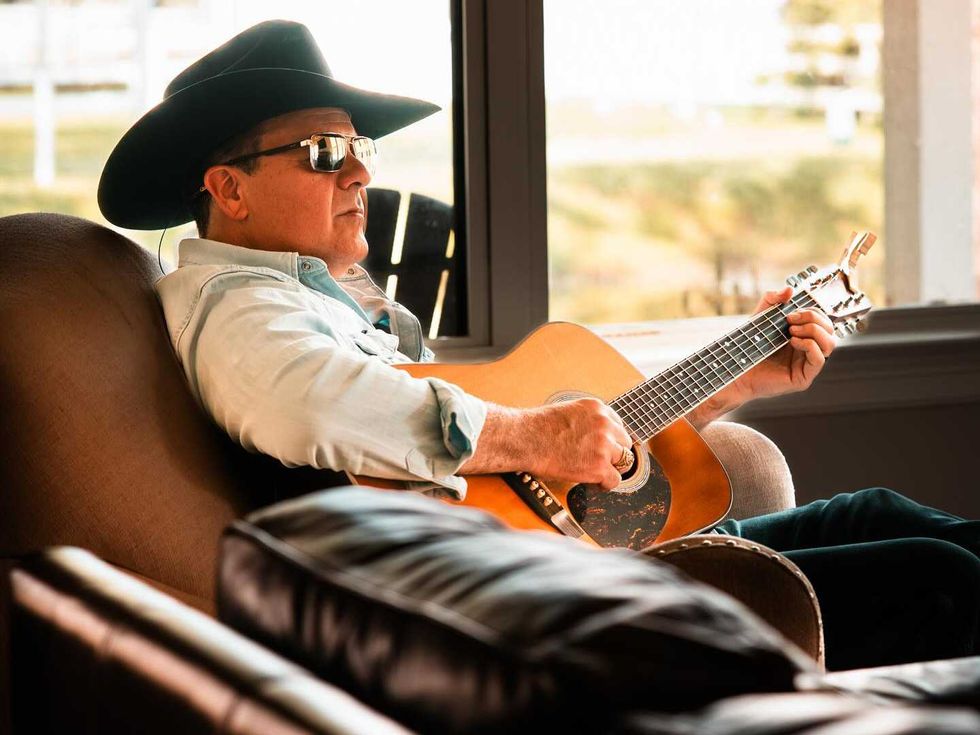
Gruene Hall presents Roger Creager in concert
Country music singer Roger Creager performs for two nights back-to-back at Gruene Hall. He’s best known for songs such as “The Everclear Song” and “Long Way to Mexico.” The Texas artist will play music from the seven albums in his catalog. Get more details on Prekindle.
Saturday, March 14
Garden Ridge Market Days
Discover and shop for fresh provisions, unique gifts, and more while supporting local farmers and artisans during this month’s Garden Ridge Market Days at Northeast Bible Church. Guests can shop over 130 vendors offering everything from produce to candles, jewelry, boutique clothing, and more. Admission is free and open to the public.
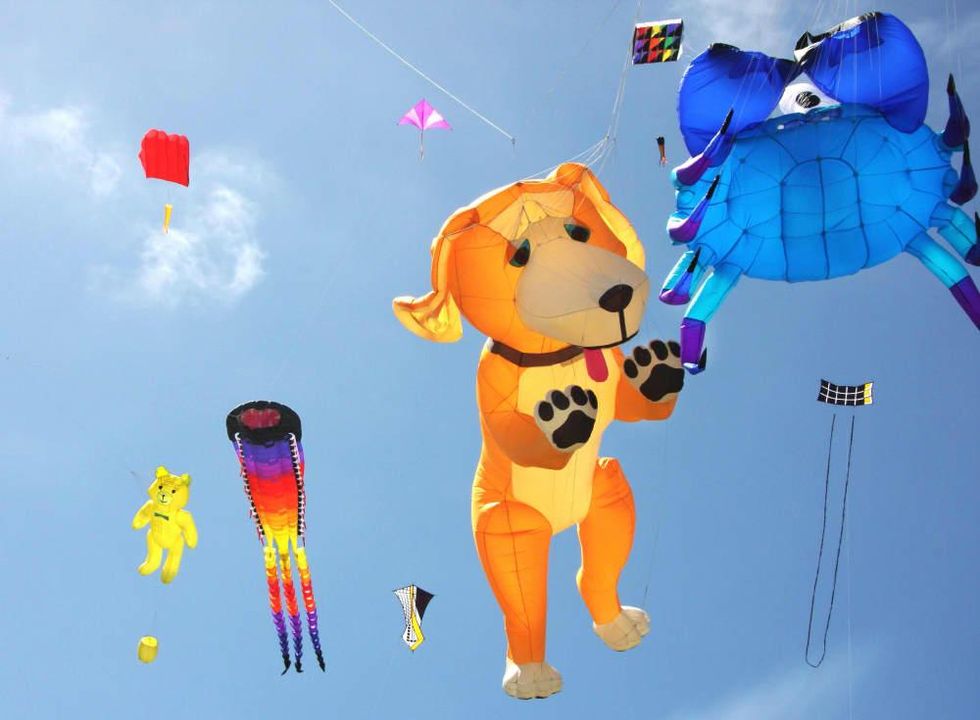
SA Parks Foundation presents Fest of Tails
McAllister Park hosts a day of outdoor family-friendly fun in honor of San Antonio’s green spaces. Festival highlights include dog-friendly activities, kite flying, kid experiences, and Ghisallo Cycling’s adventure course. Admission is free and open to the public.
St. Patrick’s Day River Parade Patio Party
Zocca Cuisine D’Italia at The Westin Riverwalk is providing all the St. Paddy’s festivities in one place, complete with afternoon River Walk views. Guests can make patio reservations for $25 and enjoy premier seating for the holiday river parade, music by a live DJ, green beer, themed cocktails, and beer cheese pretzels. Zocca’s full menu is also available. Save your spot on OpenTable.
Sunday, March 15
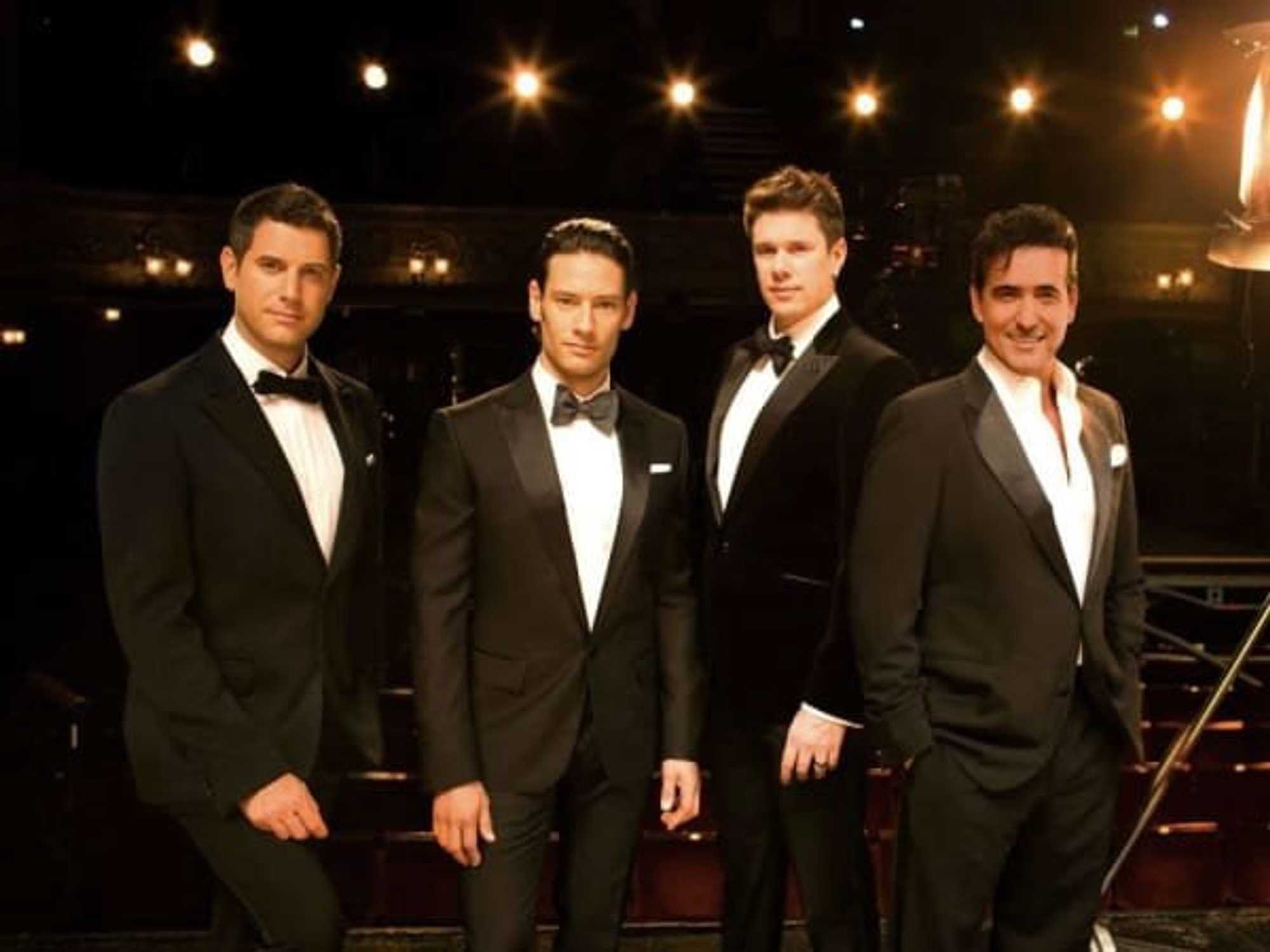
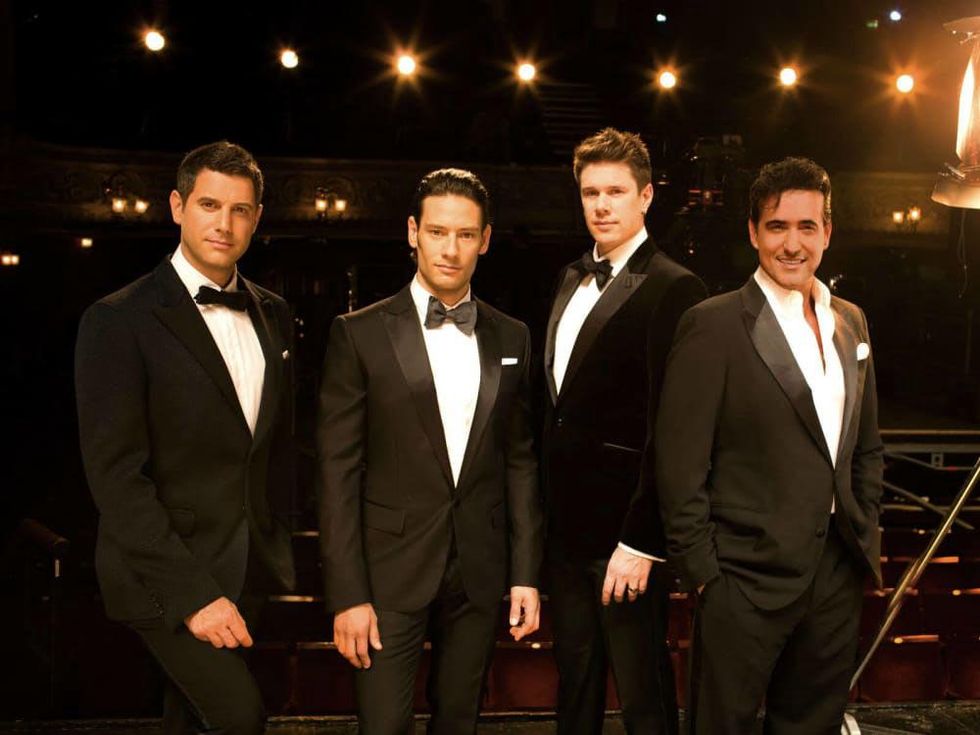
Tobin Center for the Performing Arts presents Il Divo in concert
Vocal group Il Divo performs live at the Tobin Center for an evening of serenades and harmony. The trio comes to San Antonio in support of their 2024 album, XX. The intimate, candlelit show will take fans on a journey through their catalog spanning two decades of ballads. Il Divo will be joined by string trio Simply Three as special guests. Tickets are available now.
Photo courtesy of Il Divo