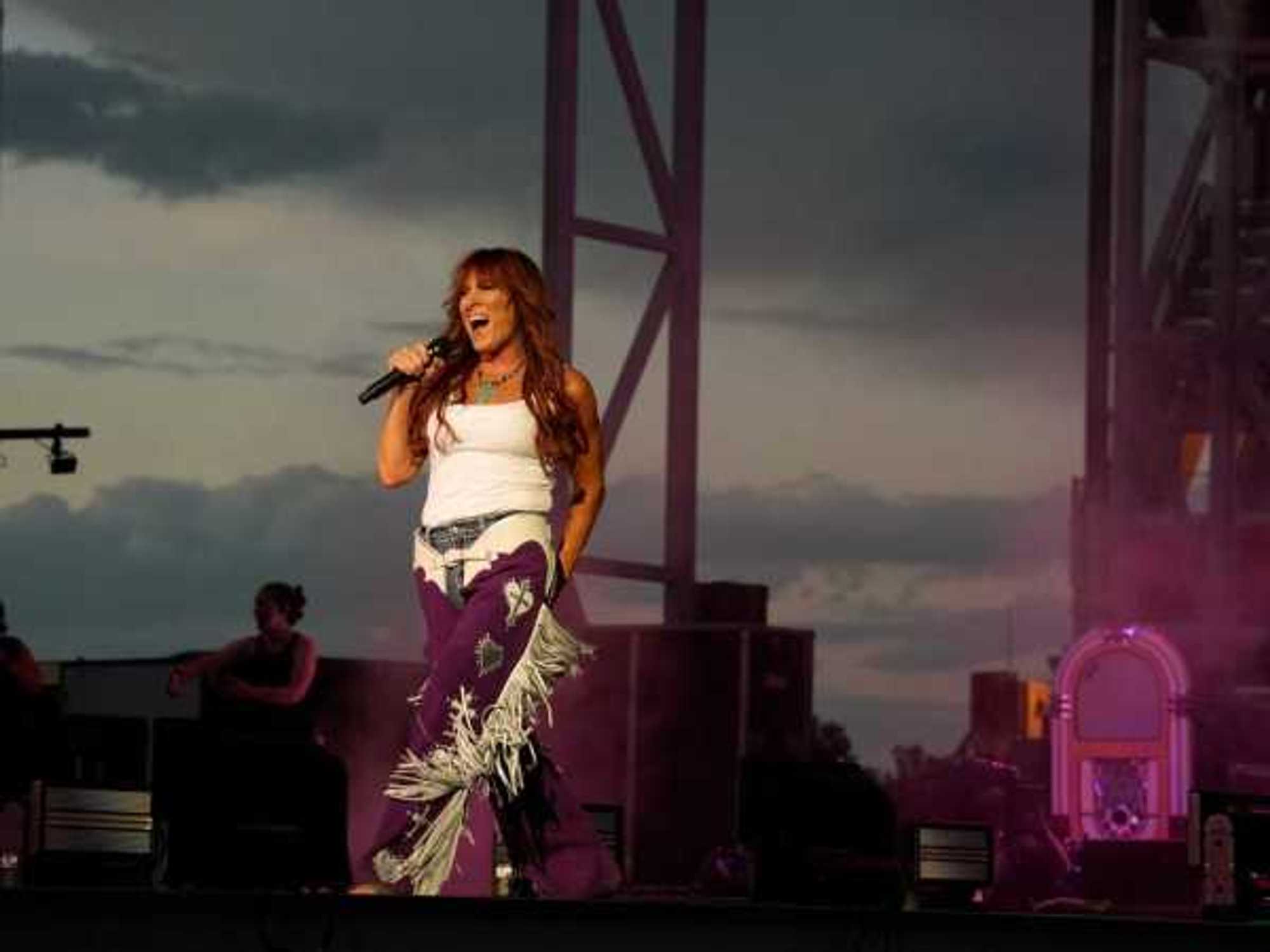
Turns out the San Antonio Stock Show and Rodeo isn’t just for the boys. Jo Dee Messina, one of the most formidable women in country music, has been added to the lineup coming to the Frost Bank Center, February 11-28, 2027.
Long before Ella Langley challenged bro-country, Messina became one of the defining voices of the ‘90s with smash hits like “I’m Alright” and “Heads Carolina, Tails California.” She has remained a popular concert draw in the 2020s, resuming a packed touring schedule after a 2017 cancer scare.
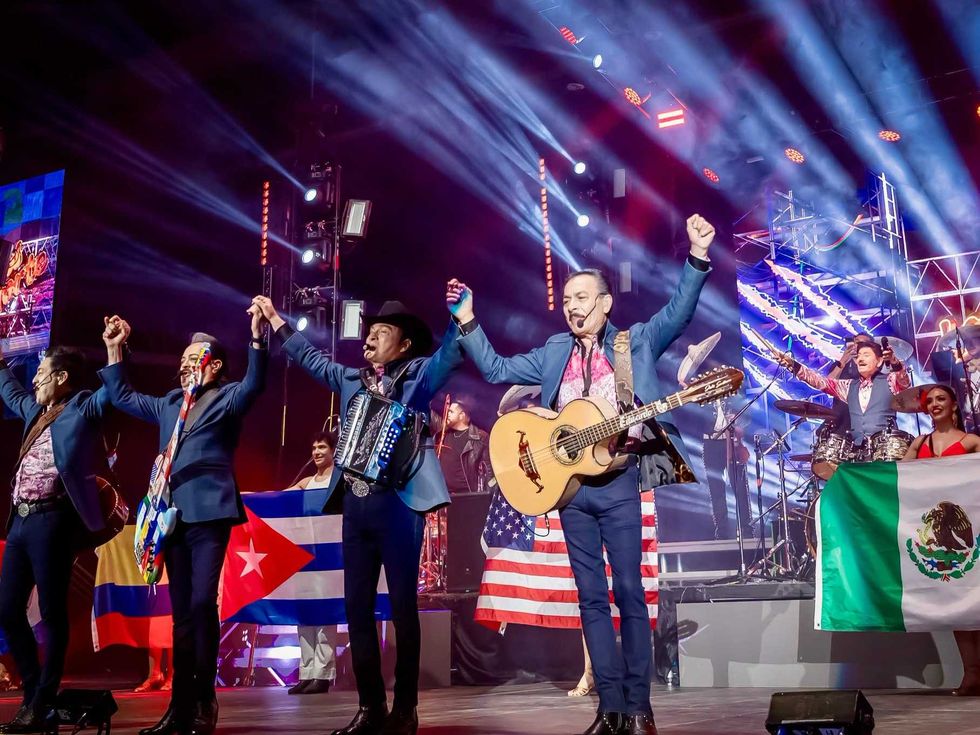
Joining the flame-haired singer will be norteno powerhouses Los Tigres del Norte. Active since 1965, the Sinaloan group has been one of the most successful Mexican acts on the international stage, winning 7 Grammy Awards and 13 Latin Grammys. Their previous appearances at the rodeo have become milestone events, drawing in massive crowds.
A quartet of country acts will also kick up dust after the bronco bustin’ action: iconic cosmic cowboy Gary P. Nunn, red dirt singer Wade Bowen, San Marcos fave the Randy Rogers Band, and genre hellraiser Koe Wetzel.
 Los Tigres del Norte play Noche del Vaquero, February 21.Los Tigres del Norte/ Facebook
Founded in 1949, the San Antonio Rodeo is one of the largest and most prestigious in Texas, drawing more than 1.5 million visitors annually. With the support of over 7,000 volunteers, the organization has contributed more than $292 million to Texas youth through scholarships, grants, endowments, auctions, a calf scramble program, and show premiums. This year, the event will return to the Frost Bank Center and Freeman Coliseum fairgrounds.
Tickets are available now at SARodeo.com. Fairgrounds season passes and individual event tickets are available, along with additional information about the 2027 event.
So far, the lineup drops have mostly kept it country (or at least Southern rock), but the rodeo usually sneaks in at least one pop headliner. Previous years have featured Ludacris, Becky G, and Nelly.
The dates for the announced performances are as follows:
- Flatland Cavalry (Opening Day) — Thursday, February 11, 7 pm
- Riley Green — Friday, February 12, 7 pm
- Turnpike Troubadours — Saturday, February 13, 7:30 pm
- Gary P. Nunn — Sunday, February 14, noon
- BlackHawk — Sunday, February 14, 7:30 pm
- Sammy Kershaw (Retro Rodeo) — Monday, February 15, 7 pm
- The Marshall Tucker Band — Tuesday, February 16, 7 pm
- Clay Walker (Ranch Rodeo) — Thursday, February 18, 7 pm
- Koe Wetzel — Friday, February 19, 7 pm
- Keith Urban — Saturday, February 20, noon and 7:30 pm
- Los Tigres del Norte (Noche del Vaquero) — Sunday, February 21, 7:30 PM
- Clint Black – Tuesday, February 23, 7 pm
- Jo Dee Messina — Wednesday, February 24, 7 pm
- Randy Rogers Band (Semifinals) — Friday, February 26, 7 pm
- Wade Bowen (Finals) — Saturday, February 27, 7:30 pm


 Los Tigres del Norte play Noche del Vaquero, February 21.Los Tigres del Norte/ Facebook