PESTILENCE NEWS
New citrus-loving fruit fly is threatening Rio Grande Valley crops
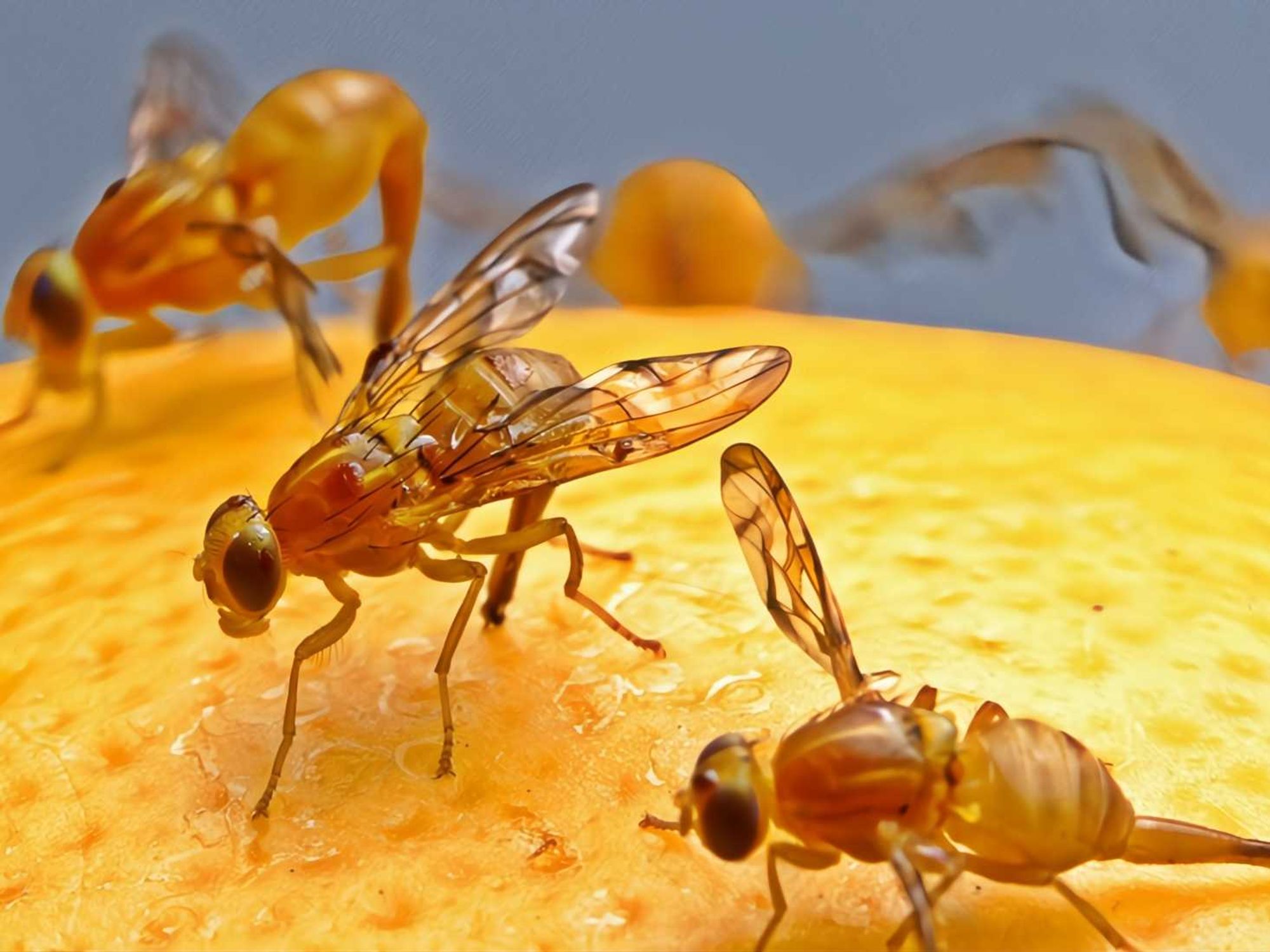
Almost 1,000 Valley acres are now in quarantine to stop the spread of Mexflies.
A newly detected pest is coming for San Antonio’s margaritas. In December, Texas officials confirmed the presence of Mexican fruit flies, or Mexflies, at two Rio Grande Valley citrus groves, prompting quarantines that now span nearly 1,000 acres.
The bugs were first sighted on December 3 in La Feria, an agricultural community straddling Cameron and Hidalgo counties. The Texas Department of Agriculture (TDA) confirmed a Mexfly larva in a commercially grown grapefruit, leading to a roughly 831-acre quarantine.
One day later, a second larva was found on a home-grown sour orange in Peñitas in western Hidalgo County. That finding added another 224 acres of commercial groves under restriction.By December 12, additional findings in Cameron County expanded the La Feria quarantine by 140 acres. The U.S. Department of Agriculture (USDA) now reports a total of 970.6 acres across 124 square miles are in quarantine in the Valley.
Mexflies, native to southern and central Mexico, are considered a serious agricultural threat. The insects attack more than 50 types of fruit and vegetable crops, but particularly enjoy citrus and mango. Females lay eggs in ripening fruit, and the hatching larvae tunnel inside, ruining the fruit. Although harmless to humans, the flies have been known to devastate crops.
“The fly is also a threat to surrounding citrus-producing states, including California, Arizona, Louisiana, and Florida,” notes the TDA. “Economic losses due to infestation not only are measured in damaged crops, but also in costs associated with eradication and shipping protocols aimed at consumer protection.”
The arrival of Mexflies adds another layer of pressure to an industry already grappling with drought and other environmental pressures. Growers say the combination of pests, water scarcity, and climate challenges has made managing crops in the Rio Grande Valley increasingly rocky.
In 2025, Valley producers are dealing with an increasing number of pests. In August, the USDA built a $750 million fly breeding factory in Edinburgh to help curb the spread of flesh-eating screwworms. And Cameron and Hidalgo counties are currently battling the pasture mealybug, a species that can leave expanding patches of dead turf.