Black landmarks across San Antonio appear in a newly updated statewide travel guide released this February by the Texas Historical Commission, highlighting locations significant to Black history and cultural preservation. The free digital guide, African Americans in Texas: A Lasting Legacy, identifies schools, universities, monuments, churches, and cultural sites established by Black communities during segregation.
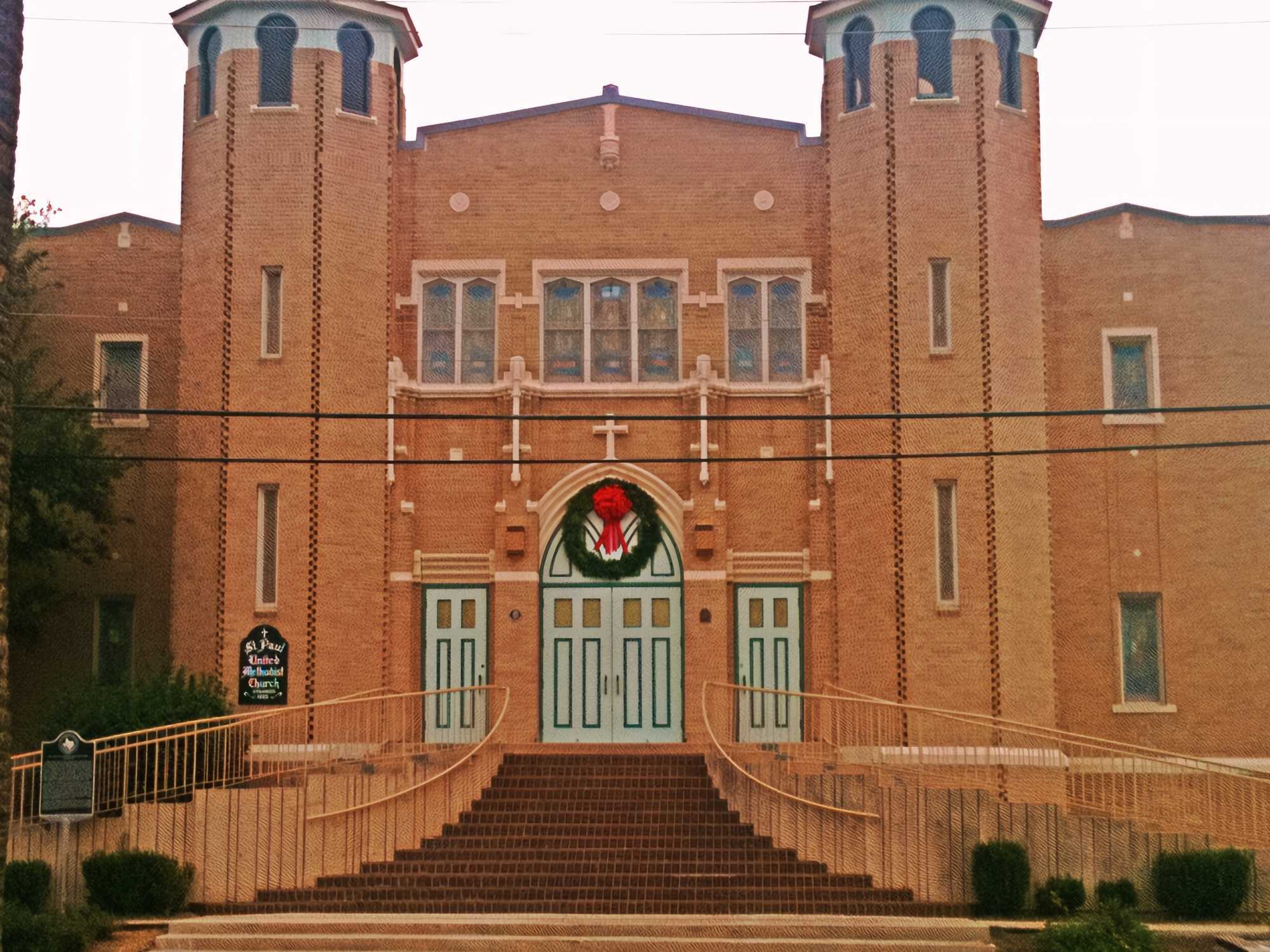
Some of San Antonio’s best-known landmarks are included in the guide, including the Alamo. The text tells the story of Joe, a man held in bondage by William B. Travis, though it glosses over the fact that, as an enslaved person, Joe’s “participation” in the battle wasn’t a choice. St. Paul United Methodist Church is highlighted as one of the city’s oldest Black congregations.
In nearby Seguin, A Lasting Legacy touches on James, Hiram, and Wallace Wilson, a formerly enslaved trio who ran the H. Wilson & Co. pottery shop until 1884. Although the original site is now an archaeological site, many of the original pieces are displayed in the town’s Heritage Museum.
While there are no specific pinpoints on the map, other Alamo City milestones are showcased. The guide details San Antonio’s role in integrated schools and recounts hometown hero John Miles’ stint in the Negro Leagues before Jackie Robinson broke Major League Baseball’s color barrier.
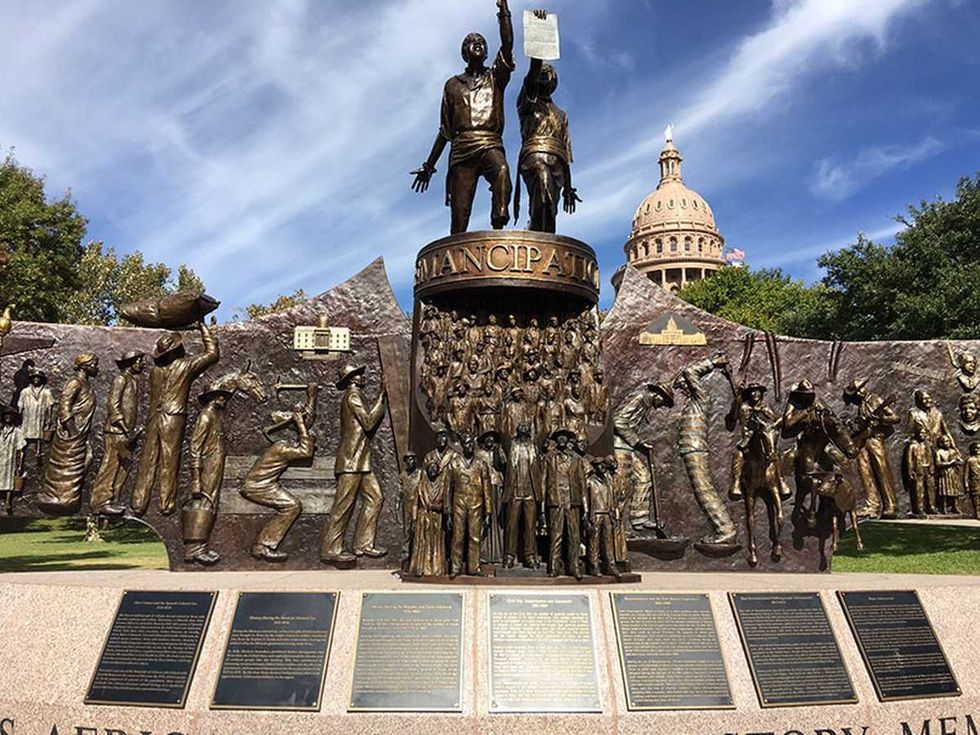 The Texas African American History Memorial stands on the south lawn of the Texas State Capitol in Austin.Courtesy of Texas Legislative Reference Library
Beyond San Antonio, state sites are part of the tour. A photo composite in an alcove at the Texas Capitol honors Black lawmakers who served during the Reconstruction era, before Jim Crow laws were passed. A monument to the broad arc of African-American history was dedicated on the lawn of the Capitol. Reconstruction lawmakers were honored with a monument at the Texas State Cemetery in 2010. Prominent black civic leaders, including Barbara Jordan and Eddie Bernice Johnson, are buried at the cemetery.
In addition to the historic sites, the guide includes more recent public art like “The Rhapsody,” an East Austin mural, created by artist and professor John Yancey, that commemorates the city’s historic jazz and blues scene along East 11th and 12th streets, once part of the Chitlin’ Circuit. Kaldric Deshon Dow’s recent “Heirlooms: Eastside Pride” mural in San Antonio was not mentioned, but was likely not completed when the guide was finalized.
The guide also identifies locations once listed in the Negro Motorist Green Book, the mid-20th-century travel guide that helped Black travelers find safe lodging, restaurants, and entertainment during segregation. San Antonio appears in the Hill Country Trail section of the guide, one of 10 heritage regions in the Texas Heritage Trails Program, which connects historic sites across the state. Other locations featured in the guide include Freedmen’s Town in Dallas, the Buffalo Soldiers National Museum in Houston, and historically Black colleges such as Prairie View A&M University and Paul Quinn College.
The guide is available as a free download through the Texas Historical Commission.
---
This article includes additional reporting from San Antonio CultureMap Editor Brandon Watson.

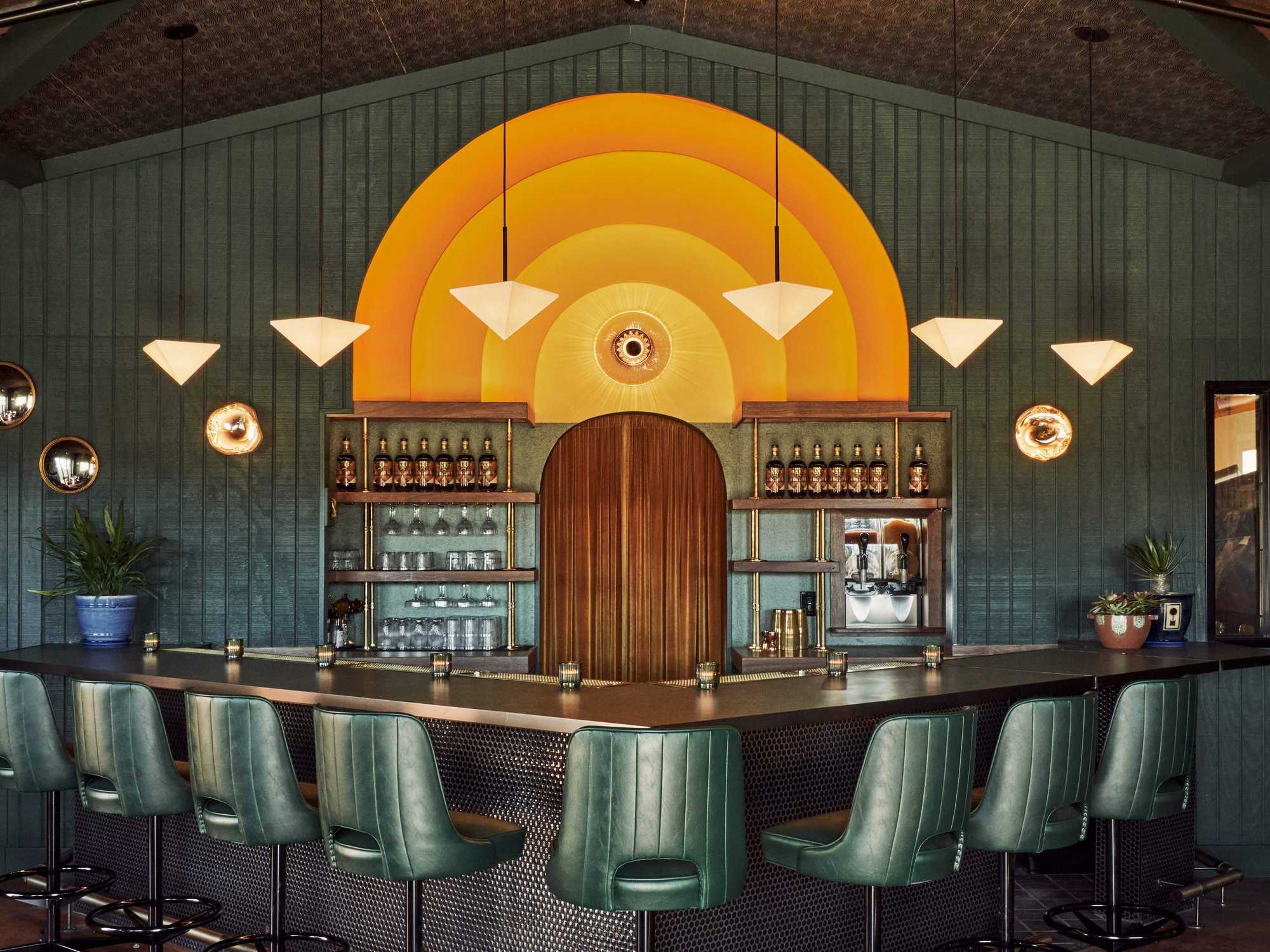 Senza Maeso's retro-inspired tasting room is a vibe.Photo courtesy of Senza Maeso