
KEEP ON TRUCKIN'
Self-driving big rigs will soon cruise San Antonio highways
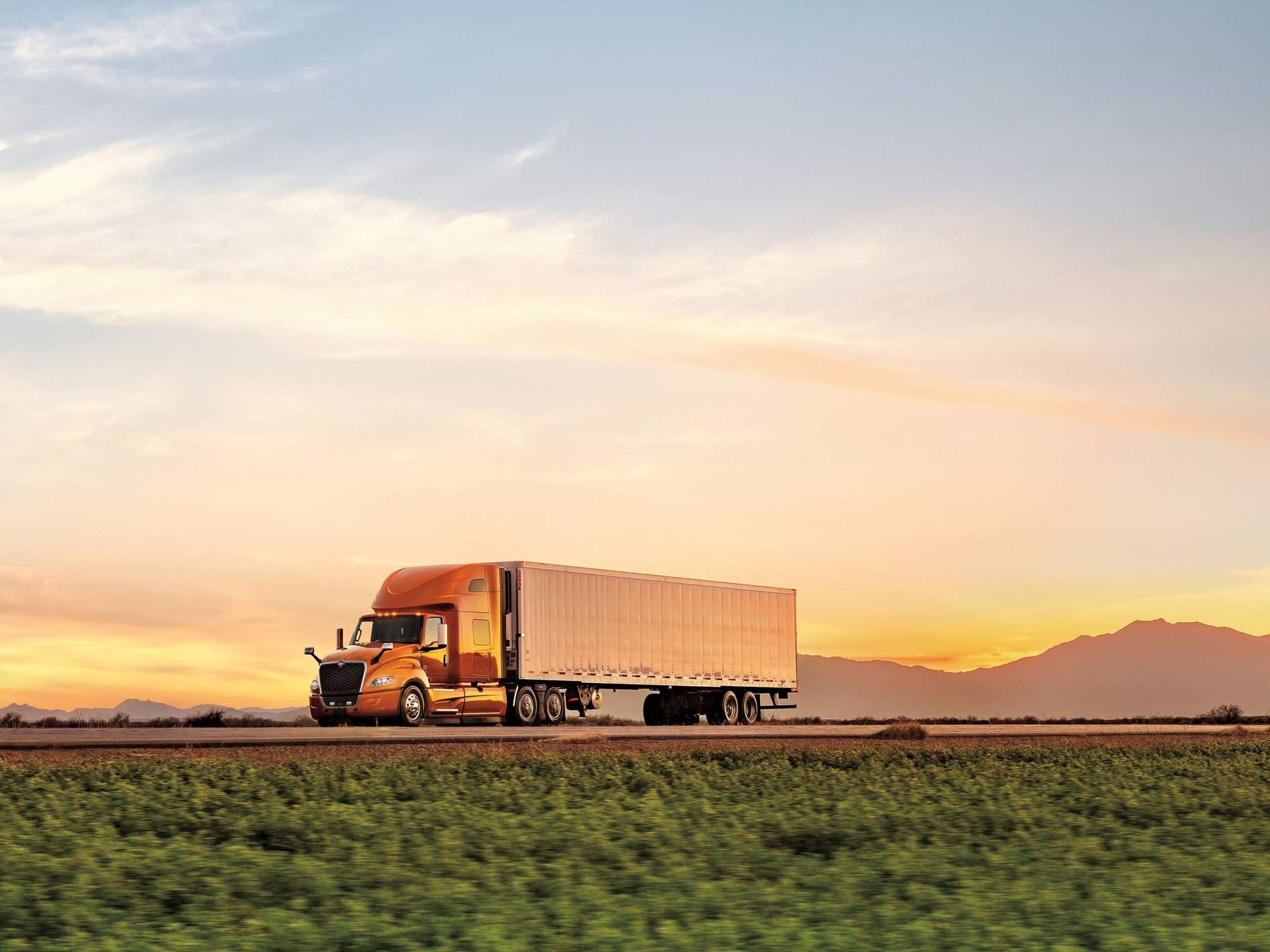
Driverless semis will soon be traveling I-35.
Self-driving robotaxis are one thing, but the San Antonio hub of International Motors is envisioning a future where big rigs have AI truckers. The company will soon start trials of an autonomous fleet on the Interstate-35 corridor between Laredo and Dallas.
The truck and bus manufacturer partnered with Santa Clara, California's PlusAI, and select fleet operators on the test runs, which will be monitored in Alamo City. A press announcement did not specify what, if any, cargo would be hauled by the driverless tractors.
"This pilot program is a big step toward seamless digital operations that are designed to deliver an exceptional customer experience," said Tobias Glitterstam, International Motors Chief Strategy and Transformation Officer, via a release. "By working hand-in-hand with our customers, we are proving the commercial viability of autonomous technologies and providing innovative solutions that improve safety, efficiency, and the bottom line."
International Motors says the vehicles are trained on real-world driving data that enables the trucks to easily adapt to road closures, geography, and weather conditions. Each cab is outfitted with multimodal sensor equipment, including imaging radar, 360-degree cameras, and lidar, a sensing technology that uses pulsed lasers to measure distance.
For added safety, the semis will be monitored from San Antonio. Connected technologies will allow employees to see what is happening both in and out of the vehicle, but International Motors didn't specify what could be done should something go wrong.
Any fully autonomous fleet will require some fuel infrastructure. International Motors trucks currently run on diesel, so a network of robotic filling stations will have to be built to entirely remove humans from the equation.
Despite a potential loss of jobs, autonomous semis offer benefits beyond cost reductions for trucking companies. Monotony and driver fatigue would not be an issue on long-haul trips, and optimized routes may reduce fuel consumption and greenhouse emissions.
There are cybersecurity risks and possible technological limitations in complex urban environments and stormy weather conditions. And a highway ecosystem that currently caters to truck drivers will have to be completely rethought. Still, the technology is likely to become a reality whether Monster energy drink consumption plummets or not.

 RGV chain Fork to Fit Kitchen is expanding to San Antonio. Fork to Fit Kitchen/ Facebook