SAFETY FIRST
7 tips for keeping San Antonio pets safe and calm during fireworks
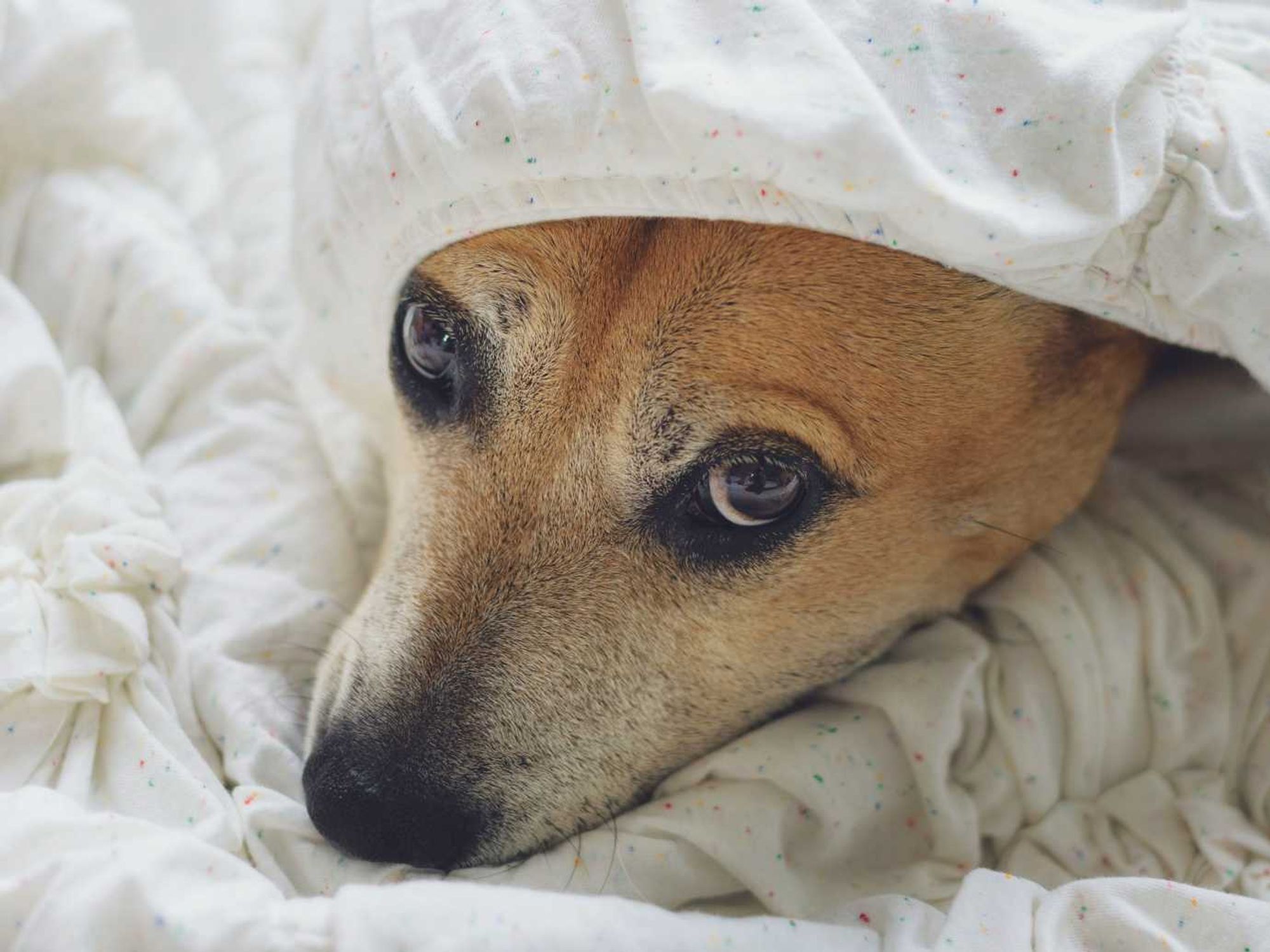
San Antonio Animal Care Services reports a sharp rise in 311 calls during New Year's celebrations.
Alamo City locals might be thrilled by fireworks, but the booming skies can be stressful for pets. Each year, San Antonio Animal Care Services reports a sharp rise in 311 calls about roaming pets and an influx of anxious owners searching for missing dogs and cats.
While the thunder from displays like Celebrate SA — not to mention neighborhood kids lighting firecrackers — might be hard to avoid, a little preparation can go a long way. Here are seven practical steps the agency says will help keep pets calm, contained, and safe during the annual spectacle.
1. Bring pets indoors early
Fireworks don’t just happen on New Year's Eve and Day. Loud pops can start days before and linger well after. Pets left outside may panic and escape by jumping fences or digging under them. If your pet spends time outdoors, bring them inside for the week leading up to — and after — major fireworks holidays. Always supervise bathroom breaks while fireworks are going off.
2. Set up a safe space
Most pets want one thing when they’re scared: a quiet place to hide. Prepare a calm, familiar area inside your home with
- Access to food and plenty of water
- Soft background noise, like classical music or TV, to muffle outside sounds
- A crate or single room they’re comfortable in (leave crate doors open to avoid panic)
- A favorite toy or blanket
In the days leading up to fireworks, tire your pet out physically and mentally. Longer walks, trips to a new park, and enrichment toys like snuffle mats or puzzle feeders can help reduce restlessness. DIY enrichment toys work, too — just supervise playtime with anything new.
4. Update microchips and ID tags
If a pet does get loose, updated identification is the fastest way home. Make sure microchip information is current and collars have readable tags. Many pet stores offer on-site tag engraving. If your pet isn’t microchipped, your veterinarian can handle it quickly. Having both tags and a chip adds a crucial layer of protection.
5. Talk to your veterinarian about anxiety
Some pets are mildly nervous. Others experience intense distress. Signs of serious anxiety can include:
- Heavy panting or pacing
- Shaking or trembling
- Hiding or cowering
- Destructive behavior
- Excessive chewing or licking
- Loss of appetite or frequent urination
6. Leave pets at home during gatherings
Even small get-togethers can overwhelm pets already on edge. If you’re hosting or attending a gathering, keep pets in their designated safe space at home. As much as it feels wrong to exclude them, most pets are far happier in a quiet room than around unfamiliar people and noise.
7. Skip alcohol and table scraps
Alcohol is extremely dangerous for pets, and common party foods can pose choking hazards or cause allergic reactions. Bones are especially risky. Keep pets away from food service areas and monitor what they’re exposed to. If you suspect your pet has ingested something toxic, contact the ASPCA Animal Poison Control Center at 888-426-4435. Fees may apply.