
ART NEWS
San Antonio returns 9 antiquities to Italy amid global museum debate
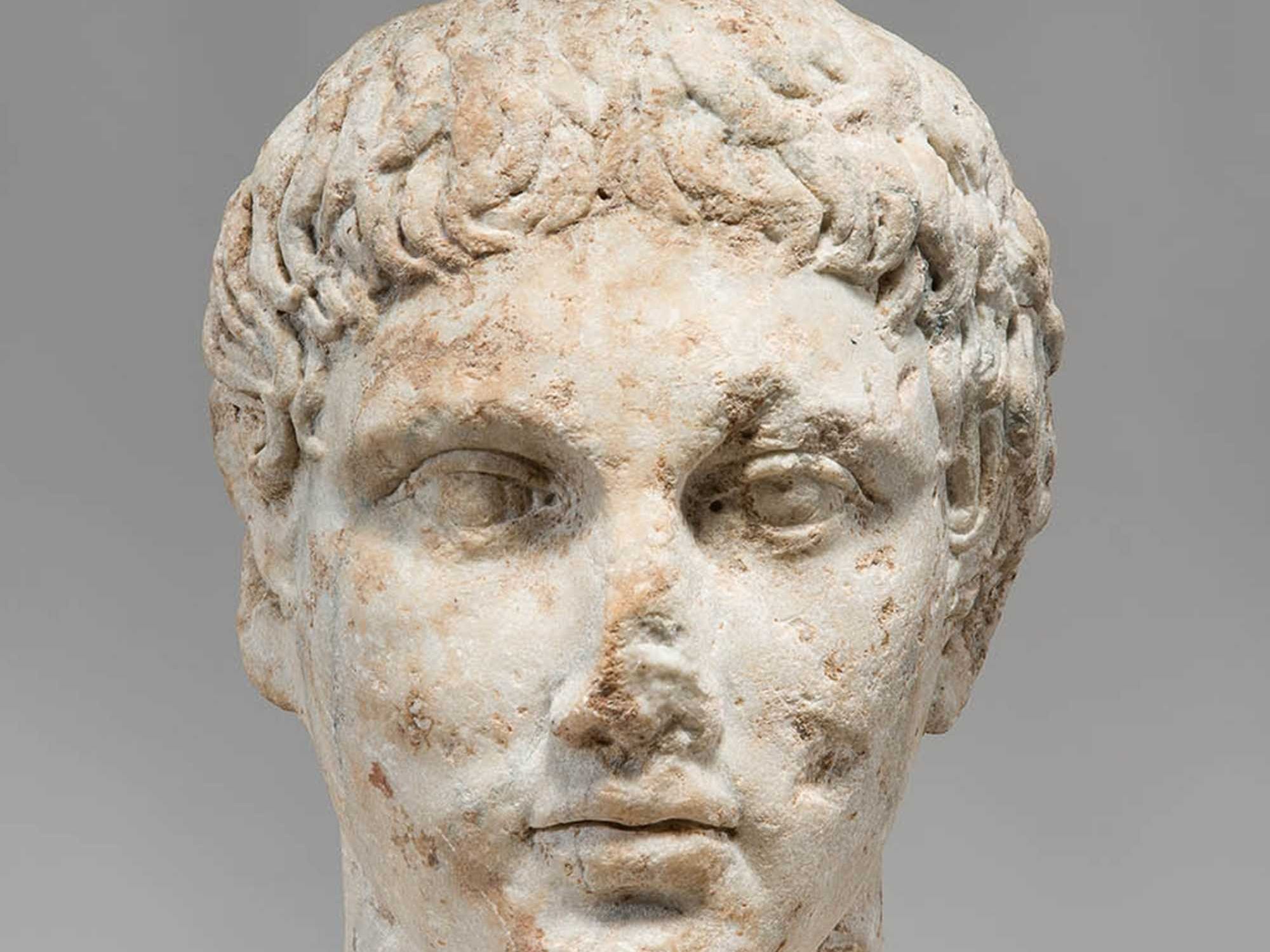
This marble head of the god Hermes is one of the artifacts being repatriated.
After years in Alamo City, nine antiquities housed at the San Antonio Museum of Art (SAMA) will soon head home to Italy. The repatriation reflects a seismic shift in the museum world, as global institutions confront the improper and illegal ways in which prized objects found their way into collections.
The return is part of a deal signed in 2023 by SAMA and the Ministry of Culture of Italy. The items include a marble head of the Greek god Hermes, now back in the custody of the Italian government. Eight additional works — ceramic vessels from Athens and southern Italy, and a terracotta statue of a woman — will remain on loan to SAMA until 2030. At that time, they may be replaced by an eight-year loan of comparable objects.
“The San Antonio Museum of Art is pleased to have resolved the status of these objects in a spirit of mutual cooperation with the Ministry of Culture," said Emily Ballew Neff, the Kelso Director of the San Antonio Museum of Art, in a release. "We look forward to continued collaboration with the Ministry to share extraordinary works from Italy’s rich cultural heritage with our visitors from South Texas and around the world.”
Since the 1970s, there has been increased pressure from archaeologists and heads of cultural ministries across the globe to curtail the antiquities trade and keep important cultural objects from being removed from their homeland illegally or improperly due to colonialism. The antiquities trade is a multi-billion-dollar industry, with wealthy collectors often paying exorbitant prices to thwart regulations.
The Hermes head provides a good example of how murky the antiquities trade can be. It was excavated sometime between 1887 and 1891 from under the Basilica of Santi Giovanni e Paolo on the Caelian Hill in Rome. A Roman antiquities dealer sold it to San Antonio local Gilbert M. Denman, Jr. in 1971, but provided no documentation of its excavation and history. Denman donated it to SAMA in 1986, where it sat until German scholar Jörg Deterling informed SAMA of its origin in 2016.
The return of artifacts such as the ones in SAMA's collection is a subject of great debate within the museum world. Many scholars and institutions believe historical items unearthed in other countries remain the property of those nations, regardless of who “discovered” the items or who controlled that country at the time. The illicit trade of items has also been used to launder money and fund terrorism.
Some academics argue against repatriation, saying it is a slippery slope that may empty Western museums. The large institutions, particularly in Britain, say they are best equipped to preserve the invaluable cultural artifacts.
Although SAMA patrons may miss seeing the Italian objects, the deal opens up the possibility of a deeper cultural exchange with Italy in the future.
“This agreement strengthens cultural relations between Italy and the United States and stands as an international best practice in the field of combating illicit trafficking of cultural property," said Dr Luigi La Rocca, the Head of Department for the Protection of Cultural Heritage, in a statement.

 The Meuse aims to keep Fredericksburg's historic charm.Photo courtesy of The Meuse
  Fischer & Wieser sells jams, sauces, mustards, and other condiments.Fischer & Wieser/ Facebook