Cure your cabin fever with these entertaining activities happening across the Alamo City. Experience Blade Runner live or take part in a culinary showdown at Titans of Tailgate. Check out the top seven things to do in San Antonio this January 29 through February 1 weekend. For a complete listing of events, click over to our calendar.
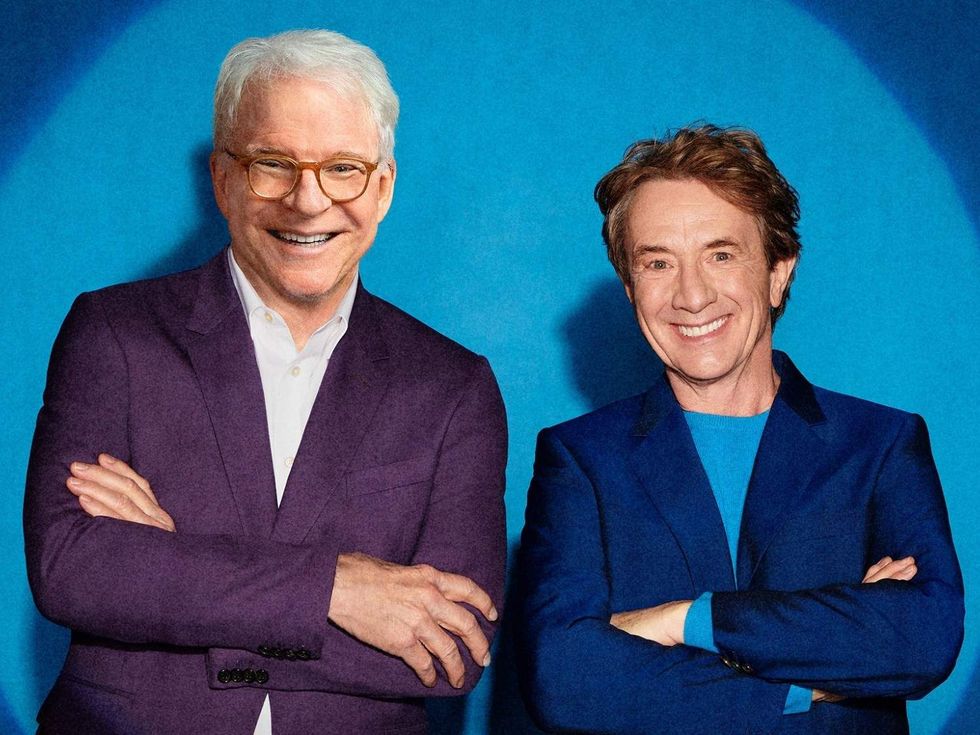
Photo courtesy of Steve Martin and Martin Short
Thursday, January 29
McNay Art Museum presents Angelica Raquel: "Mystic Threads"
The McNay Art Museum presents artist Angelica Raquel’s exhibition of primarily fiber-based work, celebrating her family history and culture. “Mystic Threads” showcases pieces inspired by oral storytelling from Raquel’s family, combined with childhood memories, dreams, urban legends, and ancestral lore for a unique study of the universe. Following the opening weekend, the exhibition is on display through July 5.
The Best of Steve Martin & Martin Short
Comedians and buddy duo Steve Martin and Martin Short bring their co-headlining show to the Majestic Theatre. The two entertainment legends will play off of each other and participate in a duel roast for an evening that celebrates their decades-long friendship. They will be joined by musical acts The Steep Canyon Rangers and Jeff Babko. Tickets are available.
Laugh Out Loud Comedy Club presents Gabriel Iglesias
Actor and comedian Gabriel “Fluffy” Iglesias brings fresh material and guaranteed laughs to The Laugh Out Loud Comedy Club. Iglesias is one of the most-watched comedians on YouTube and has had roles in films like Magic Mike, Magic Mike XXL, and A Haunted House 2. A limited number of tickets are available.
Friday, January 30
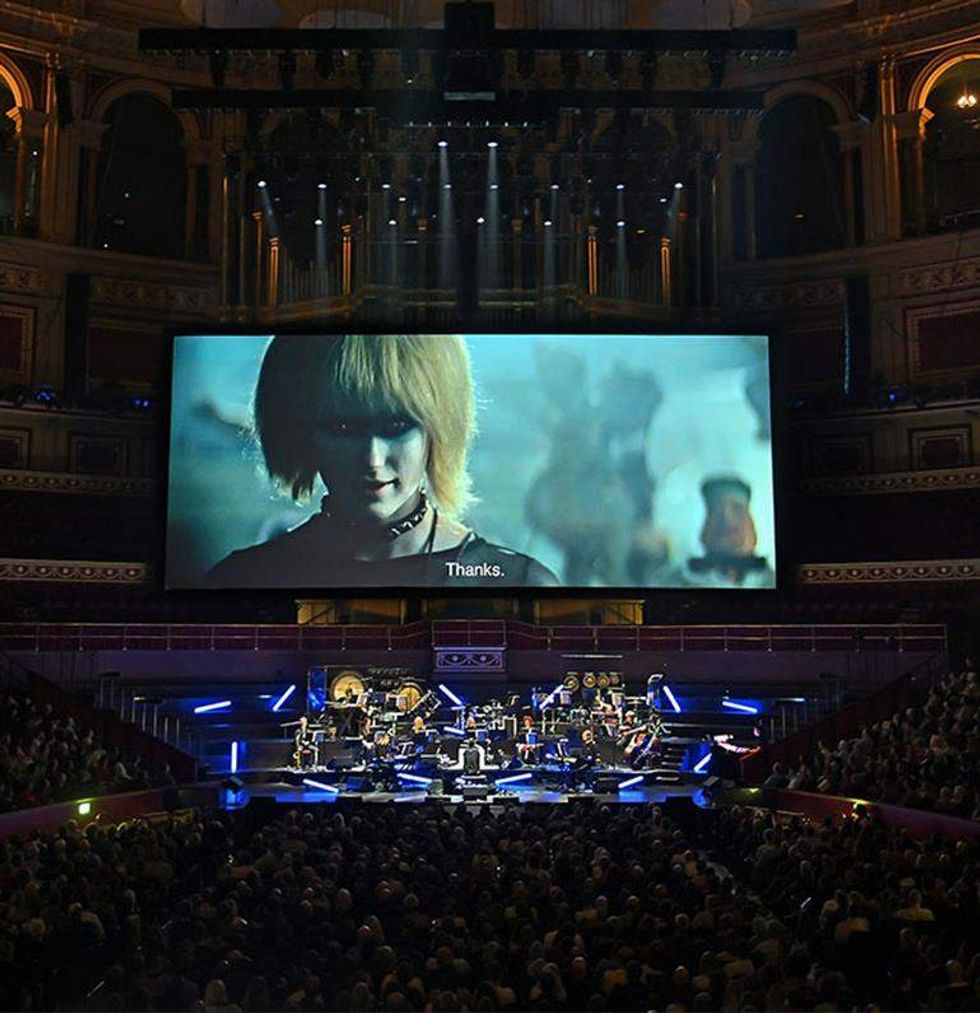
Majestic Theatre presents Blade Runner Live
Blockbuster sci-fi film Blade Runner gets the orchestral treatment at the Majestic Theatre. Viewers will experience Ridley Scott’s noir thriller on an HD screen while Vangelis’ synthesizer-led score is performed live by The Avex Ensemble. Tickets are available now.
Gruene Hall presents Wade Bowen in concert
Texan musician Wade Bowen performs live at Gruene Hall for back-to-back nights. Bowen comes to the San Antonio area in support of his 2024 album, Flyin. The Waco-based artist is best known for his popular songs, including “Mood Ring,” Who I Am,” and “Rodeo Clown.” Tickets for the Friday night show are still available.
Saturday, January 31
Frost Bank Center presents Parker McCollum in concert
Country music artist Parker McCollum performs live at Frost Bank Center. The singer-songwriter from Austin comes to San Antonio in support of his 2025 self-titled album. McCollum is best known for songs “Burn It Down” and “Pretty Heart.” Get more details on Ticketmaster.
Sunday, February 1
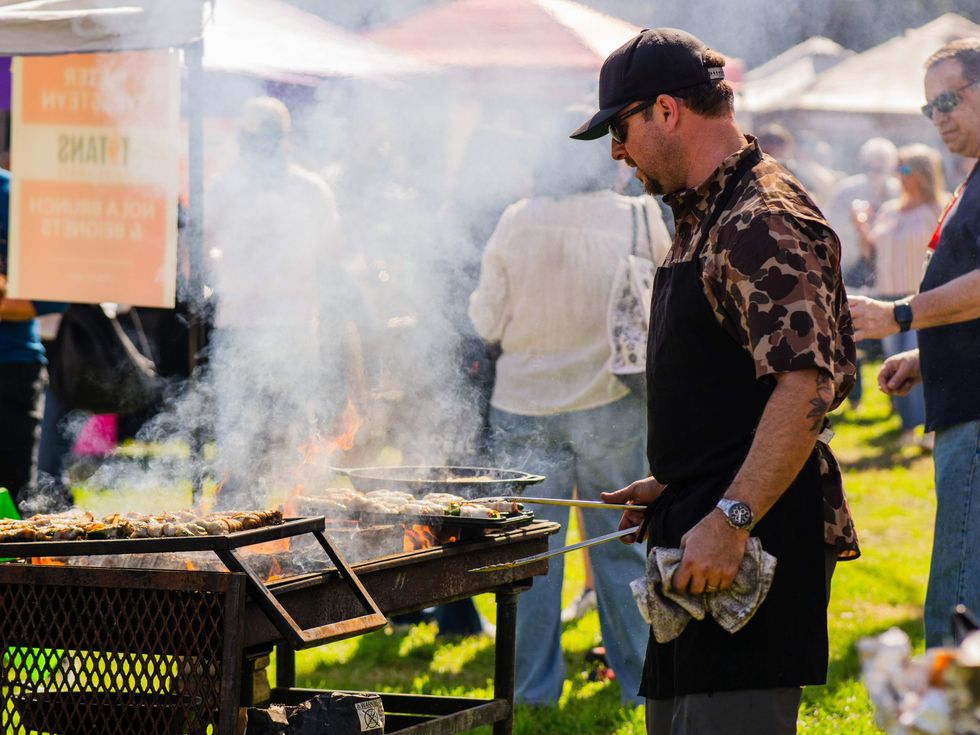
Chef Jason Dady and Culinaria presents Titans of Tailgate
Enjoy equal parts culinary expression and grill mastery at this clash of chefs presented by Culinaria at The Rock at La Cantera. Highlights of the foodie-approved festivities hosted by Chef Jason Dady include food from more than 30 of San Antonio’s top chefs, tailgating games, and more. Participating chefs include Nicola Blaque of The Jerk Shack, PJ Edwards of Meadow Neighborhood Eatery, Berty Richter of Ladino, and more. VIP and general admission tickets are on sale now.
McNay Art Museum presents Sandy Skoglund: "Enchanting Nature"
The work of sculptor Sandy Skoglund is on display for its final day at McNay Art Museum. “Enchanting Nature” features works for various mediums — including sculptures, large-scale installations, and photography — to explore the fusion of the manmade and natural. Exhibition admission is included with a museum ticket.